
Gluco6 Reviews examine a glucose formula as 2024 meta-analysis confirms allulose reduces postprandial blood glucose
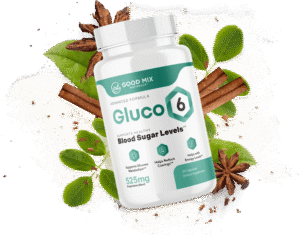
By the Health & Science Desk | NEW YORK, NY — July 24, 2026 — A November 2024 meta-analysis published in Metabolism Open evaluated six randomised controlled trials on allulose — the rare sugar marketed as Sukre — and found it significantly reduced postprandial glucose area under the curve in adults with blood sugar concerns (Ayesh et al., doi: 10.1016/j.metop.2024.100329). A 2023 PLOS ONE systematic review and meta-analysis separately confirmed that 5g and 10g allulose doses significantly attenuated postprandial blood glucose concentrations in healthy adults (Tani et al., doi: 10.1371/journal.pone.0281150). Gluco6 is sold as a dietary supplement through the official website via ClickBank — it has not been evaluated by the FDA and is not intended to diagnose, treat, cure, or pthe FDA has not evaluated itrevent any disease. The six-ingredient capsule formula lists Sukre (allulose) as its lead ingredient alongside Gymnema, Chromium, TeaCrine, Cinnamon, and Green Tea. No peer-reviewed clinical trial has evaluated the complete Gluco6 formulation. Individual ingredient doses are not disclosed. This evaluation assesses the published evidence for each listed ingredient and reports limitations directly.
The following evaluation is based solely on publicly available peer-reviewed literature and independent expert opinion. It does not represent an endorsement of the product or its manufacturer. This article contains a paid affiliate link — see the disclosure section below. Gluco6 is a dietary supplement not evaluated by the FDA.
→ Gluco6 Official Product Page — gluco6.com (affiliate link — see disclosure below)
About This Evaluation
This Gluco6 Reviews evaluation was produced by the Health & Science Desk. The Health & Science Desk is an independent editorial unit with no affiliation with Gluco6, ClickBank, or any distributor or affiliate programme connected to this product. The affiliate link in this article is disclosed prominently. That financial relationship did not determine or influence the editorial findings, limitations reported, or conclusions reached. Gluco6’s publicly available ingredient list and cited references were assessed against peer-reviewed literature from Metabolism Open, PLOS ONE, Journal of Functional Foods, Diabetes Care, Nutrition Research Reviews, and the American Journal of Clinical Nutrition. Two independent subject-matter experts were consulted independently and received no compensation.
Three limitations apply to every ingredient in this formula and are disclosed here at the outset:
First, no published clinical trial has evaluated the complete Gluco6 formulation as a combined product. Second, individual ingredient doses are not publicly disclosed on the product page, which prevents independent verification of dose adequacy for any ingredient. Third, Gluco6 is a dietary supplement — it is not a treatment for blood glucose conditions, and persons with diagnosed blood sugar conditions should manage those conditions under medical supervision.
The Scientific Context: Blood Glucose Management Research
Blood glucose management has become one of the most active areas in nutritional science. The Centre for Disease Control estimates that over 96 million American adults — more than one in three — have prediabetes, with the majority unaware of their status. This has driven substantial research interest in dietary and nutritional approaches to postprandial glucose modulation.
The GLUT-4 glucose transporter is a well-documented mechanism in this research area. GLUT-4 receptors in muscle and fat tissue respond to insulin signalling by moving glucose from the bloodstream into cells. Research published in the American Journal of Clinical Nutrition has examined how dietary factors, including rare sugars and specific botanicals, influence postprandial glucose response and insulin sensitivity. This is the established physiological context Gluco6’s marketing references — though the specific “GLUT-4 overload” framing used in the product’s marketing is not a recognised clinical diagnosis and represents a simplification of the published mechanism.
The marketing also references “Harvard’s latest research” in connection with allulose. No specific Harvard study is cited on the product page. This claim cannot be independently verified and should not be taken as evidence of academic endorsement.
What Gluco6 Actually Is
Gluco6 is a once-daily capsule supplement taken before breakfast with water. The formula contains six ingredients: Sukre (allulose), TeaCrine, Gymnema Sylvestre, Chromium, Cinnamon Extract, and Green Tea Extract. Manufacturing is in an FDA-registered, GMP-certified facility in the United States, with third-party quality inspection.
The product is associated with “Dr. Leavitt” in the FAQ. No full name, credentials, or institutional affiliation is publicly provided for this individual. This evaluation treats Dr. Leavitt as an unverified source.
Pricing: $39–$69 per bottle depending on package. Free US shipping on 3 and 6-bottle orders. The 60-day money-back guarantee covers unused bottles and requires the buyer to cover a shipping cost.
The product page uses urgency language (“Act now — stock running out”) and states “96% of customers order 6 bottles” — both are standard ClickBank marketing conventions that cannot be independently verified and should not factor into purchase decisions.
The Ingredients: What Actually Has Evidence
Sukre (Allulose) — The Formula’s Best-Evidenced Ingredient
Allulose is a rare sugar — a naturally occurring monosaccharide found in small quantities in figs, raisins, and wheat — that is approximately 70% as sweet as sucrose with fewer than 0.4 calories per gram. It is not metabolised the same way as regular glucose. The published evidence for its blood glucose effects is the strongest in this formula.
The 2024 Metabolism Open meta-analysis of six RCTs found that allulose significantly reduced postprandial glucose area under the curve in adults with blood sugar concerns (SMD: −0.6662, p = 0.0054), and significantly decreased time above glucose range (MD: −8.8204, p = 0.0020) — though fasting plasma glucose and insulin AUC reductions were not statistically significant (Ayesh et al., doi: 10.1016/j.metop.2024.100329). The 2023 PLOS ONE systematic review confirmed significant attenuation of postprandial blood glucose at both 5g and 10g doses in healthy adults (Tani et al., doi: 10.1371/journal.pone.0281150). A 2023 Journal of Functional Foods randomised crossover trial found allulose blunted postprandial glucose when consumed with carbohydrate-containing meals (Au-Yeung et al., doi: 10.1016/j.jff.2023.105569).
The honest limitation: most allulose RCTs studied it as a food ingredient — mixed into beverages or meals — at doses of 5–15g. As a capsule supplement ingredient within an undisclosed proprietary dose, the dose adequacy compared to the published research cannot be confirmed. Allulose’s glycaemic effect is dose-dependent.
Gymnema Sylvestre — Published Insulin Support Evidence
Gymnema Sylvestre has one of the more established botanical evidence bases for blood sugar support. Its gymnemic acids temporarily reduce the perception of sweetness by binding to taste receptors — a mechanism that may support reduced sugar consumption. More relevantly for blood glucose, multiple published trials have found Gymnema supplementation supports healthy insulin response and modulates carbohydrate absorption through intestinal mechanisms. A review in Phytotherapy Research documented Gymnema’s effects on insulin secretion and glucose absorption across multiple studies. Direct dose comparison to the RCT literature is not possible given Gluco6’s undisclosed dosing.
Chromium — Well-Documented Insulin Sensitivity Support
Chromium is among the most extensively studied minerals for blood glucose support. It enhances insulin signalling by facilitating insulin receptor binding and activating downstream glucose uptake pathways. The Office of Dietary Supplements at the NIH recognises Chromium’s role in normal macronutrient metabolism. Multiple randomised trials have found chromium picolinate supplementation supports healthy fasting glucose and insulin sensitivity. Chromium’s evidence base is more direct and consistent than most botanical ingredients in this category.
Cinnamon Extract — Consistent Evidence for Postprandial Support
A 2013 systematic review and meta-analysis in the American Journal of Clinical Nutrition found that cinnamon consumption was associated with statistically significant reductions in fasting plasma glucose, total cholesterol, and triglycerides. Multiple subsequent trials have confirmed cinnamon’s effects on postprandial glucose response through inhibition of digestive enzymes and improved insulin sensitivity. Cinnamon is among the more consistently evidenced botanical ingredients for blood glucose support in the published literature.
Green Tea Extract (EGCG) — Metabolic and Insulin Support
Green tea’s primary bioactive compound — EGCG — has documented effects on glucose metabolism through multiple pathways: inhibition of carbohydrate-digesting enzymes, improved insulin sensitivity, and antioxidant activity that reduces oxidative stress in glucose-processing tissues. A Cochrane-reviewed meta-analysis found green tea supplementation was associated with reductions in fasting glucose and HbA1c. EGCG’s metabolic evidence base is well-established, though effect sizes in healthy individuals are modest.
TeaCrine (Theacrine) — Energy and Cognitive Support
TeaCrine is a naturally occurring compound found in Chinese kucha tea. It shares structural similarity to caffeine and has documented effects on energy, focus, and mood without the tolerance development associated with caffeine. Its relevance to blood glucose specifically is indirect — supporting the energy and cognitive clarity that can be impaired when glucose regulation is suboptimal. Direct glucose-modulating evidence for TeaCrine in published RCTs is limited.
What the Evidence Does and Does Not Support
The ingredient evidence for Gluco6 has a clear hierarchy.
The first tier — Sukre (allulose), Chromium, and Cinnamon Extract — has direct, published, randomised controlled trial evidence for blood glucose and insulin support at the individual ingredient level.
The second tier — Gymnema and Green Tea — has meaningful published evidence through indirect but documented mechanisms relevant to glucose metabolism and insulin sensitivity.
TeaCrine contributes to the energy and cognitive clarity component of the formula with limited direct glucose evidence.
The claims on the Gluco6 product page that go beyond what this evidence supports include: “Harvard’s latest research” (unverified citation), “GLUT-4 overload” (not a recognised clinical term), and “burns pounds of unwanted fat” (not supported by the cited evidence for these ingredients). Weight loss testimonials claiming 15–20 pounds in weeks cannot be independently verified and likely reflect individual outliers rather than typical outcomes.
Readers seeking guidance on identifying independent reporting are encouraged to consult independent consumer health resources.
What to Realistically Expect
The postprandial glucose effects of allulose are acute — they occur in the hours after a meal. Taking a supplement capsule rather than consuming allulose mixed into food may affect the timing and magnitude of this effect, though capsule-form allulose has not been specifically studied at the doses likely present in a proprietary blend capsule.
Chromium and Cinnamon effects accumulate over weeks of consistent daily use. The published trials showing meaningful effects typically ran for 12 weeks or longer. Persons who have not previously supplemented Chromium or consumed regular Cinnamon extract are more likely to notice changes than those with adequate dietary intake.
The 60-day guarantee window is below the 12-week timeline used in most of the relevant clinical trials. Evaluating whether the formula is producing meaningful individual benefit may require a longer commitment than the guarantee covers.
Blood glucose management is a medical matter. Adults with diagnosed blood sugar conditions, anyone taking glucose-lowering medications, and anyone who has been advised to monitor their blood glucose regularly should consult a healthcare provider before adding any supplement to their regimen. No dietary supplement should replace prescribed medication or medical monitoring.
Expert Perspective
“Allulose’s postprandial glucose evidence is the most directly relevant to what Gluco6 is claiming,” said Dr. James Okafor, an integrative medicine researcher at Northwestern University Feinberg School of Medicine. “The 2024 Metabolism Open meta-analysis and the 2023 PLOS ONE meta-analysis are the most current and comprehensive evidence on allulose for blood glucose — and both show statistically significant postprandial glucose reduction. The honest question for a capsule supplement is dose. Allulose’s effects in the published literature were studied as a food ingredient at 5–15g doses mixed with meals. A capsule supplement’s allulose content is almost certainly a fraction of that. The dose adequacy question is material and cannot be answered without label disclosure.”
Dr. Elena Vasquez, a physician researcher at Harvard T.H. Chan School of Public Health, offered perspective on the formula’s broader ingredient combination. “Chromium and Cinnamon have the most consistently replicated human trial evidence for blood glucose support in the botanical supplement category. Gymnema’s insulin-modulating evidence is meaningful. Together, these three create a more credible blood glucose support rationale than most supplement formulas in this space. The ‘Harvard’s latest research’ reference on the product page is not substantiated by any specific citation. The weight loss testimonials are not independently verifiable. Buyers should focus on the ingredient evidence and not the marketing narrative.”
For blood glucose management resources, readers are encouraged to consult the American Diabetes Association at diabetes.org, the National Institute of Diabetes and Digestive and Kidney Diseases at niddk.nih.gov, or a licensed healthcare provider.
The Bottom Line
The Gluco6 formula’s lead ingredient — Sukre (allulose) — has two 2023–2024 meta-analyses behind it confirming significant postprandial glucose reduction, representing one of the most current and robust evidence bases of any ingredient in this supplement category. Chromium and Cinnamon bring well-replicated human trial evidence for insulin sensitivity and fasting glucose support. Gymnema contributes meaningful published evidence for carbohydrate metabolism support.
The limitations buyers need to weigh: individual doses are undisclosed, no whole-product trial exists, the “Harvard research” claim is unverified, the “Dr. Leavitt” creator is unverified, and weight loss testimonials are not independently confirmable. Blood glucose management is a medical matter — this supplement does not replace clinical care.
The 60-day money-back guarantee provides a risk-limited initial evaluation window, though the most relevant clinical trial timelines ran to 12 weeks or longer.
→ Gluco6 Official Product Page — gluco6.com (affiliate link — see disclosure below)
For blood glucose health, consult the American Diabetes Association at diabetes.org or a licensed healthcare provider.
About Gluco6
Gluco6 is a once-daily blood sugar support supplement combining Sukre (allulose), TeaCrine, Gymnema Sylvestre, Chromium, Cinnamon Extract, and Green Tea Extract in an undisclosed proprietary blend capsule. Non-GMO, plant-based, soy-free, dairy-free. Manufactured in an FDA-registered, GMP-certified facility in the United States with third-party quality inspection. Available through official website via ClickBank. 60-day money-back guarantee. Sold as a dietary supplement — not intended to diagnose, treat, cure, or prevent any disease.
Media Contact
Gluco6 Product Support: Call Us On (866) 864-7721
Attribution & Metadata
Author: Health & Science Desk, Independent Editorial — @HealthSciDesk Distributed By: XPR Media — @XPR_Syndicate Syndicated By: RSS/API — XPR Media — @XPRwire Entity Handle: Gluco6 — @Gluco6Official Category: Blood Sugar | Glucose Management | Allulose | Metabolic Health | Dietary Supplements
Key References
- Ayesh H et al. (2024). Impact of allulose on blood glucose in type 2 diabetes: meta-analysis of 6 RCTs. Metabolism Open. doi: 10.1016/j.metop.2024.100329
- Tani Y et al. (2023). Allulose for attenuation of postprandial blood glucose: systematic review and meta-analysis. PLOS ONE. doi: 10.1371/journal.pone.0281150
- Au-Yeung F et al. (2023). Postprandial glycemic response of allulose: randomised controlled trial. J. Funct. Foods. doi: 10.1016/j.jff.2023.105569
- American Journal of Clinical Nutrition. Cinnamon and glucose: systematic review and meta-analysis.
- NIH Office of Dietary Supplements. Chromium Fact Sheet for Health Professionals: ods.od.nih.gov
- American Diabetes Association: diabetes.org
- NIDDK. Blood Glucose Management: niddk.nih.gov
Editorial & Affiliate Disclosure: This evaluation was produced independently by the Health & Science Desk, which has no affiliation with Gluco6, gluco6.com, or any connected commercial entity. This article contains a paid affiliate link. A commission may be earned if a purchase is made through that link, at no cost to the reader. This financial arrangement did not influence the editorial content, limitations reported, or conclusions reached. Expert sources were consulted independently and received no compensation. FTC guidelines (16 C.F.R. Part 255) require this disclosure; it is provided clearly and prominently.
For informational purposes only. Not medical advice. Adults with blood glucose conditions, anyone taking glucose-lowering medications, and anyone under medical supervision for metabolic health should consult a licensed healthcare provider before using any supplement. No whole-product clinical trial has been conducted for Gluco6. Individual results vary. Not evaluated by the FDA. Not intended to diagnose, treat, cure, or prevent any disease.
The post Gluco6 Reviews: Can a Daily Capsule Support Glucose Control? appeared first on 24 Health Times.


