DONGGUAN, GUANGDONG, CHINA, October 27, 2026 /EINPresswire.com/ — Battery Safety Testing Becomes Increasingly Important
As electric vehicles, energy storage systems, and rechargeable battery applications continue to develop, battery safety and reliability testing have become important parts of product development and quality verification. Battery packs must withstand different environmental conditions and mechanical stresses throughout manufacturing, transportation, and service. Testing equipment helps manufacturers and laboratories evaluate potential failure risks under controlled conditions and collect data for product improvement.
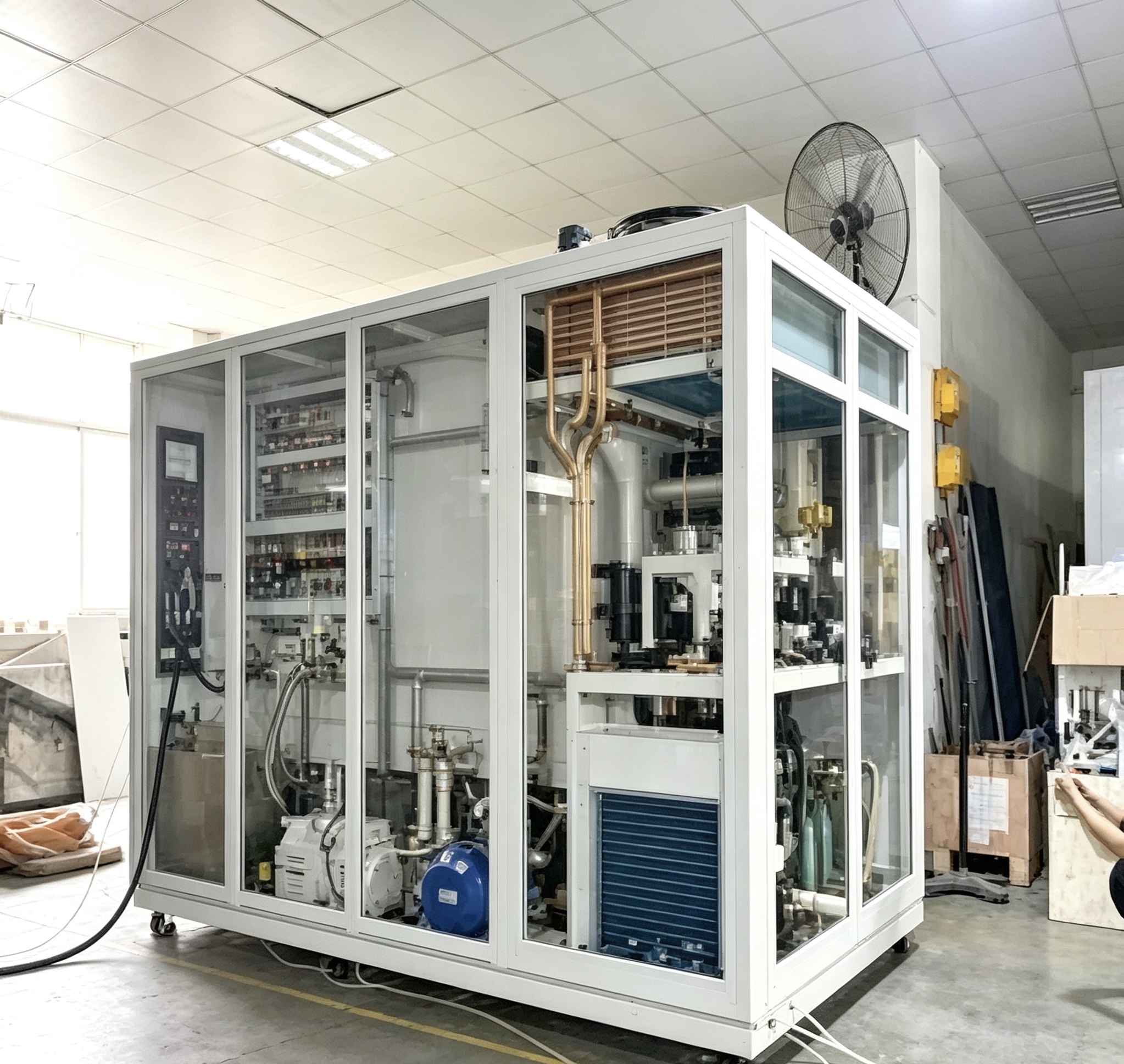
Taian Intelligent Equipment (Guangdong) Co., Ltd., based in Qiaotou Town, Dongguan, Guangdong, China, provides environmental testing equipment and battery safety testing equipment. Established on March 10, 2017, the company integrates research and development, production, sales, and service. Its product portfolio includes climatic chambers, impact testing equipment, battery abuse and safety testers, and customized testing solutions for industrial applications.
Through its environmental testing and battery safety equipment portfolio, Taian addresses different aspects of battery verification. Its approach reflects the importance of evaluating not only a battery’s performance under normal conditions but also its response to environmental changes and mechanical abuse.
Mechanical Impact Testing Supports Battery Pack Evaluation
Mechanical impact testing is used to assess how a product responds to a sudden external force. For battery packs, impact-related testing can help engineers examine enclosure integrity, structural resistance, and potential safety concerns associated with mechanical damage.
A high-quality battery pack impact test bench should be selected according to the test objective, specimen dimensions, impact energy or mass, impact height, control requirements, and applicable testing standards. The equipment must also provide suitable specimen positioning, repeatable test conditions, and appropriate safety protection.
Taian’s broader testing equipment portfolio includes mechanical impact and battery safety testing products. Its heavy impact testing machine, for example, is designed to simulate mechanical loading by allowing a preset mass to fall from a specified height onto a test specimen. This type of equipment can support impact resistance evaluation for batteries, materials, packaging, and other components, depending on the configuration and test procedure.
For battery manufacturers and testing laboratories, the value of an impact test bench lies in its ability to provide controlled and repeatable test conditions. The resulting observations can help identify structural weaknesses, compare product designs, and support engineering decisions during development and validation.
It is important to distinguish between different impact-testing methods. A heavy impact tester, a battery pack impact system, and a drop-testing machine may address different test scenarios. Buyers should confirm that the selected equipment matches the intended specimen, impact method, and required test standard before procurement.
Climatic Chambers Help Evaluate Environmental Reliability
Mechanical strength is only one aspect of battery reliability. Temperature and humidity variations can also affect battery materials, packaging, connections, and operating characteristics. Environmental testing helps manufacturers investigate how products respond to these conditions.
Taian’s climatic chamber portfolio includes equipment for temperature and humidity testing, high- and low-temperature testing, rapid temperature changes, and thermal shock applications. Depending on the model, these chambers can create controlled environmental conditions for testing batteries, electronic components, and other industrial products.
Temperature cycling can help reveal weaknesses associated with repeated expansion and contraction, while humidity testing can support the evaluation of moisture-related effects. Rapid temperature changes and thermal shock testing can place additional demands on materials and assemblies by exposing them to changing thermal conditions over defined periods.
When combined with mechanical testing, environmental simulation can provide a broader understanding of product reliability. For example, engineers may use separate test procedures to assess environmental exposure and mechanical impact resistance before reviewing the results together during product development.
The appropriate testing sequence depends on the product design, risk assessment, and relevant standards. Climatic chambers should therefore be specified according to required temperature ranges, humidity conditions, specimen dimensions, and control accuracy rather than selected solely by general product category.
Abuse and Safety Testers Address Potential Battery Failure Risks
Battery abuse testing evaluates how cells, modules, or packs respond to defined conditions that may cause damage or trigger unsafe behavior. These tests are relevant to product development, manufacturing quality assurance, and safety validation.
Taian’s abuse and safety testing portfolio covers equipment for different battery testing scenarios, including short-circuit testing, squeeze and nail penetration testing, drop testing, thermal abuse testing, and external fire testing. The exact capabilities vary by equipment model and configuration.
Short-circuit testing can be used to investigate battery responses to specified electrical fault conditions. Squeeze and nail penetration tests examine responses to defined forms of mechanical abuse, while thermal abuse and external fire testing address heat-related hazards. Drop testing can help evaluate the consequences of a prescribed fall or impact event.
These methods serve different purposes and should not be treated as interchangeable. A mechanical impact test does not replace electrical, thermal, or other battery safety tests. Instead, selecting a suitable combination of testing equipment allows manufacturers and laboratories to evaluate different potential failure mechanisms.
Safety provisions are also important when testing potentially hazardous battery specimens. Depending on the test method, equipment may require protective enclosures, remote operation, monitoring systems, emergency stops, ventilation, or other risk-control measures. The required configuration should be determined by the test conditions and the laboratory’s safety assessment.
Customized Solutions Support Different Testing Requirements
Battery manufacturers, research institutions, and third-party laboratories may have different testing objectives. Requirements can vary according to battery chemistry, cell format, module dimensions, pack structure, production stage, and applicable standards.
Taian provides environmental and safety testing equipment and describes customized solutions as part of its business. Its solution portfolio includes projects addressing environmental reliability, battery safety, and testing requirements for different industrial applications.
For buyers developing a battery testing laboratory, equipment selection should begin with a clear definition of the tests to be performed. This includes identifying the specimen size, required test parameters, control and data acquisition needs, safety provisions, and relevant compliance requirements.
Customized equipment may be appropriate when standard configurations cannot accommodate a particular specimen or test procedure. However, customization should be based on documented technical requirements, with the equipment’s capabilities and acceptance criteria confirmed before manufacturing.
Taian’s integrated research and development, production, sales, and service model provides a framework for coordinating these requirements. For international customers, early technical communication can also help clarify installation conditions, delivery arrangements, commissioning requirements, and after-sales support.
Manufacturing Capabilities and Quality Considerations
According to its company profile, Taian was established in 2017 and operates a manufacturing facility in Dongguan. The company reports a workforce of more than 60 employees and a team that includes professional engineers. Its activities cover environmental test equipment and safety test equipment, serving customers that require testing solutions for industrial products.
When evaluating a testing equipment supplier, buyers should consider manufacturing capability alongside technical documentation, repeatability, calibration requirements, maintenance support, and equipment safety. A suitable test bench should provide the required operating range and control functions while allowing the prescribed test method to be implemented consistently.
Documentation is particularly important for laboratories that need traceable testing procedures or must demonstrate conformity with customer specifications and relevant standards. Buyers should confirm the applicable standards, equipment specifications, calibration arrangements, and available test records for the specific model under consideration.
For battery impact and abuse testing, the supplier should also clarify the distinction between the equipment’s operating capabilities and the final test outcome. Test equipment supports the evaluation process, but compliance or safety conclusions depend on the complete test procedure, specimen, acceptance criteria, and applicable requirements.
Supporting Battery Safety and Reliability Verification
Battery safety depends on multiple factors, including product design, manufacturing quality, environmental durability, and resistance to mechanical or electrical abuse. No single testing method can address every potential failure mechanism. A structured testing program therefore combines appropriate procedures and equipment according to the risks associated with the product.
Taian’s portfolio of climatic chambers, impact testing equipment, and abuse and safety testers provides options for evaluating different aspects of environmental reliability and battery safety. By defining testing requirements before equipment selection, manufacturers and laboratories can develop testing arrangements that align with their products, workflows, and technical objectives.
For organizations seeking battery pack impact test benches and related testing equipment, key considerations include test repeatability, specimen compatibility, safety provisions, documented performance, and access to technical support. Matching equipment capabilities to these requirements helps establish a more consistent foundation for battery evaluation and product development.
For more information about Taian’s environmental testing equipment, battery abuse and safety testers, and customized testing solutions, visit the official website:
https://www.taiantest.com/
Taian Intelligent Equipment (Guangdong) Co., Ltd.
Taian Intelligent Equipment (Guangdong) Co., Ltd.
+ +86 15766659358
+86 15766659358
Legal Disclaimer:
EIN Presswire provides this news content “as is” without warranty of any kind. We do not accept any responsibility or liability
for the accuracy, content, images, videos, licenses, completeness, legality, or reliability of the information contained in this
article. If you have any complaints or copyright issues related to this article, kindly contact the author above.

Media gallery